Key Components of the System
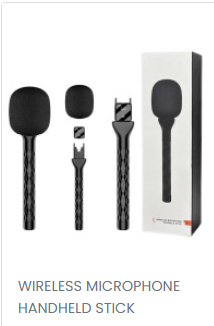
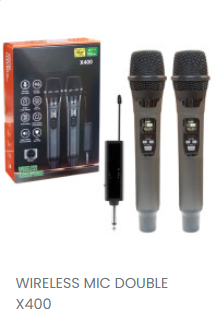
Handheld Transmitter: The “mic stick” itself. It contains:
The microphone capsule (the part that picks up the sound).
The transmitter that sends the audio signal.
An on/off switch.
A battery compartment (usually for AA or 9V batteries).
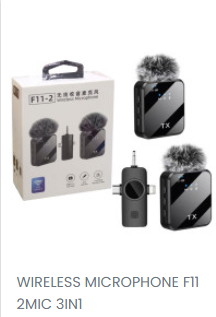
Receiver: The unit that picks up the signal from the handheld. It connects to your mixer, amplifier, or speaker. Receivers can be:
Single-Channel: For one microphone.
Dual-Channel/Multi-Channel: For two or more microphones.
Rack-Mount: Designed to be installed in a equipment rack.
Tabletop/Compact: Small and portable.
Frequency Band: This is how the audio is transmitted.
UHF (Ultra High Frequency): The most common and reliable professional standard. Offers good range, clear sound, and less interference.
VHF (Very High Frequency): An older, less common standard. Generally cheaper but more prone to interference and has a shorter range.
2.4 GHz & 5 GHz: Digital systems that use Wi-Fi-like bands. They are good for consumer use but can be susceptible to interference in crowded wireless environments (like conferences or busy venues).
Digital UHF (e.g., Shure ULX-D): The professional gold standard, offering the cleanest signal and most advanced features.


Reviews
There are no reviews yet.